



Proven Ways to Crush Stress Belly Fat for Good
The science of cortisol, visceral fat, sleep, appetite—and the habits that produce lasting change
Science-based health education • Kwamzworld Health & Fitness Hub
| The honest promise: You cannot spot-reduce fat from your abdomen. However, you can reduce total and visceral fat while breaking the stress-driven habits that make weight management harder. |
Proven Ways to Crush Stress Belly Fat for Good starts with a truth that many quick-fix advertisements ignore. Stress can influence your waistline. However, cortisol does not create fat from nothing. Moreover, no tea, supplement, detox, or abdominal exercise can melt fat from one chosen area.
The real connection is more complex. Chronic stress can disturb appetite, sleep, blood-glucose regulation, food choices, and daily movement. In some people, repeated cortisol exposure may also favor central fat storage. Therefore, the most effective plan does not target one hormone. Instead, it improves the whole system.
This article explains what “stress belly” really means. It also shows which strategies have the strongest scientific support. Most importantly, it gives you a practical plan that you can start today.
What Is Stress Belly Fat?
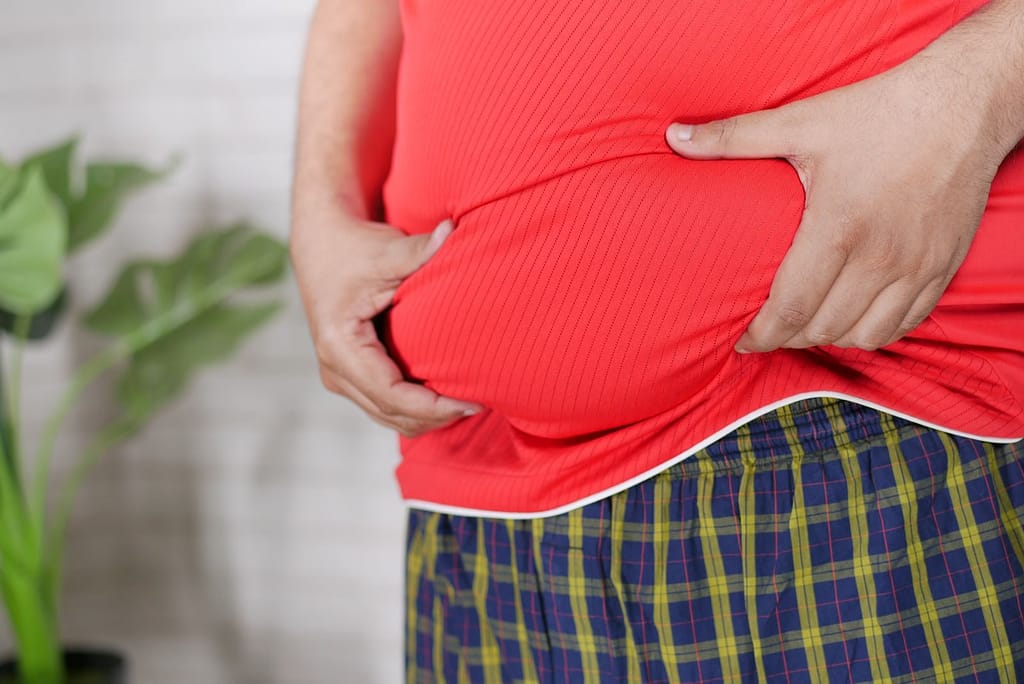
“Stress belly” is not a formal medical diagnosis. People usually use the phrase to describe fat stored around the waist during a stressful period. That abdominal fat includes two main types.
Subcutaneous fat sits directly under the skin. It is the softer fat that you can pinch. Visceral fat lies deeper inside the abdomen and surrounds internal organs. Although both types store energy, visceral fat is more strongly connected with insulin resistance, type 2 diabetes, unhealthy blood lipids, cardiovascular disease, and fatty liver disease.
Waist circumference can provide a practical estimate of abdominal-fat risk. However, it cannot show exactly how much visceral fat you have. CT and MRI scans are more precise, but most people do not need imaging for routine weight management.
| Key distinction: A growing waist can reflect visceral fat, subcutaneous fat, bloating, posture, or a combination. Therefore, avoid diagnosing “high cortisol” from appearance alone. |
How Chronic Stress Can Expand the Waistline
Your brain responds to a threat by activating the sympathetic nervous system and the hypothalamic-pituitary-adrenal, or HPA, axis. Adrenaline rises quickly. Cortisol follows. This response helps make fuel available, supports blood pressure, and prepares you to act.
During short-term danger, this system is useful. However, modern stress may last for weeks or months. Work pressure, caregiving, money problems, loneliness, poor sleep, and constant digital stimulation can keep the body and mind on alert. Consequently, the stress response may begin to affect daily behavior and metabolism.
1. Cortisol changes fuel availability: Proven Ways to Cut Stress Belly Fat for Good
Cortisol helps the liver make glucose available. That energy would be useful if you had to run from danger. Yet many modern stressors happen while you sit at a desk, drive a car, or lie awake at night. If energy intake regularly exceeds energy use, the surplus can be stored.
In addition, abdominal fat tissue responds to glucocorticoid signals. Reviews suggest that long-term cortisol exposure and HPA-axis dysregulation may interact with insulin, appetite, and individual susceptibility. Still, the evidence does not support the claim that cortisol alone causes ordinary abdominal obesity.
2. Stress can increase hunger and cravings
Some people lose their appetite during acute stress. Others eat more. With repeated stress, calorie-dense foods can become especially appealing. Foods high in sugar, refined starch, fat, and salt provide fast pleasure. They may also offer brief emotional relief.
This creates a learned loop. Stress triggers discomfort. Comfort food reduces that discomfort for a moment. The brain remembers the reward. Therefore, the same response becomes easier to repeat the next time stress appears.
Liquid calories can add to the problem. Sweetened drinks, specialty coffees, and alcohol are easy to overlook. Moreover, alcohol can reduce restraint and disturb sleep.
3. Stress and insulin can work together: Proven Ways to Cut Stress Belly Fat for Good
Cortisol helps keep glucose available. Meanwhile, insulin helps move glucose into cells after meals. Insulin also reduces fat breakdown while energy is being stored. Therefore, frequent stress combined with frequent high-calorie eating may create conditions that favor fat gain.
Over time, excess visceral fat may worsen insulin sensitivity. This can make glucose control harder. Thus, stress, eating patterns, abdominal fat, and metabolic health may reinforce one another.
4. Poor sleep magnifies the problem: Proven Ways to Crush Stress Belly Fat for Good

Stress often delays sleep. It can also cause frequent waking. In turn, sleep loss can increase hunger, weaken impulse control, and make high-calorie food more rewarding. Fatigue also reduces the desire to exercise, cook, or walk.
Therefore, a person may continue doing three workouts each week but move much less during the rest of the day. This drop in non-exercise activity can quietly lower daily energy expenditure.
5. People respond differently: Proven Ways to Cut Stress Belly Fat for Good
Stress does not affect every body in the same way. Genetics, age, sex, menopause, sleep quality, mental health, medications, existing weight, income, food access, and coping patterns all matter. Some studies find links between stronger cortisol responses and central fat distribution. However, many studies are observational. They can show association, but they cannot prove a simple one-way cause.
Seven Proven Ways to Crush Stress Belly Fat for Good
The word “proven” should describe the process, not promise an impossible result. The following methods support fat loss, metabolic health, stress resilience, or all three. Results still vary by person.
1. Create a modest, sustainable calorie deficit

Fat loss requires the body to use more energy than it receives over time. However, an extreme diet can increase hunger, fatigue, and stress. Therefore, choose a moderate approach that you can maintain.
- Build most meals around minimally processed foods.
- Use portions that leave you satisfied rather than stuffed.
- Reduce calories that provide little fullness, especially sweetened drinks and frequent alcohol.
- Track food for a short period if you need clarity, but avoid obsessive monitoring.
A gradual pace is usually easier to sustain. The CDC notes that healthy weight loss includes nutritious eating, activity, sleep, and stress management—not dieting alone.
2. Prioritize protein and fiber
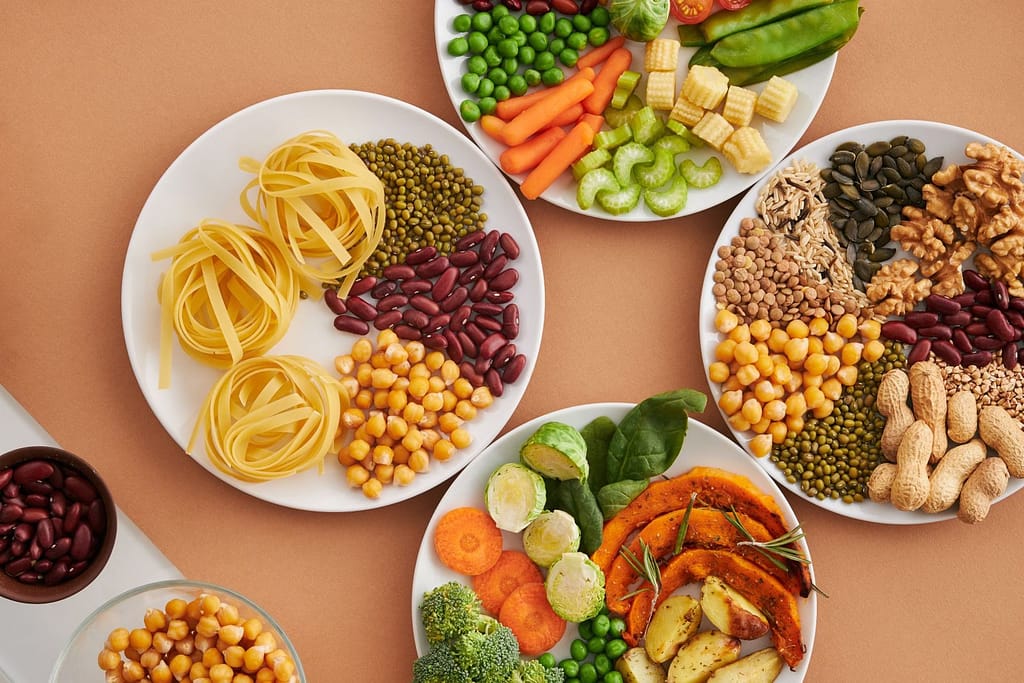
Protein supports fullness and helps preserve lean tissue during weight loss. Fiber-rich foods add volume and slow digestion. Together, they can reduce the urge to graze when stress rises.
- Protein: fish, eggs, poultry, tofu, beans, lentils, yogurt, and lean meats.
- Fiber: vegetables, fruit, legumes, oats, and other whole grains.
- Practical plate: fill half with vegetables, add a palm-sized protein source, then include a sensible portion of high-fiber carbohydrate.
Plan one or two dependable meals for your busiest days. Consequently, stress will have fewer chances to choose your food for you.
3. Combine aerobic exercise with strength training

Regular movement increases energy use and supports cardiovascular and metabolic health. It can also improve mood and sleep. Strength training helps preserve or build muscle, which is especially important during weight loss.
- Aim toward at least 150 minutes of moderate aerobic activity each week, if medically appropriate.
- Complete full-body strength training on two or more days.
- Start below that level if necessary. Even short sessions count.
- Add a 10-minute walk after one or two meals.
Abdominal exercises can strengthen your core. However, they do not selectively burn abdominal fat. Train your whole body and allow overall fat loss to change your waist.
4. Increase daily movement outside workouts: Proven Ways to Crush Stress Belly Fat for Good

Exercise is only one part of daily energy expenditure. Standing, cleaning, walking, using stairs, and moving during work also matter. Stress and fatigue often reduce these activities without conscious awareness.
- Take a two- to five-minute movement break each hour.
- Walk during phone calls.
- Place useful items far enough away that you must stand.
- Use a step count as feedback, not as a source of guilt.
Small actions appear unimpressive. Nevertheless, they accumulate across weeks.
5. Use a fast stress-interruption routine: Proven Ways to Cut Stress Belly Fat for Good
You may not be able to remove the stressor immediately. However, you can interrupt the automatic path from stress to eating.
First Step: Pause before opening the cupboard or ordering food.
Second Step: Take five slow breaths. Make the exhale slightly longer than the inhale.
Third Step: Name the feeling: anxious, angry, lonely, bored, or exhausted.
Furth Step: Ask, “Am I physically hungry, or am I seeking relief?”
Fifth Step: Choose the next helpful action: eat a planned meal, walk, pray, journal, call someone, or rest.
Breathing and mindfulness are not direct fat burners. Their value is behavioral. They create space for a deliberate decision.
6. Protect sleep as part of your fat-loss plan
Do not treat sleep as optional recovery. It influences appetite, energy, mood, and decision-making.
- Keep a consistent wake time, including most weekends.
- Create a 30- to 60-minute wind-down period.
- Reduce bright screens and stressful work near bedtime.
- Limit caffeine late in the day and alcohol near bedtime.
- Keep the room dark, quiet, and comfortably cool.
Seek medical advice if you snore loudly, stop breathing during sleep, wake with headaches, or remain very sleepy during the day. Sleep apnea can affect health and weight-management efforts.
7. Measure trends—not daily perfection
Body weight can change from water, sodium, hormones, bowel contents, and glycogen. Therefore, one measurement tells you very little. Use weekly trends.
- Weigh under similar conditions several times per week, then compare weekly averages.
- Measure your waist every two to four weeks.
- Track sleep, energy, strength, walking, and episodes of emotional eating.
- Adjust one variable at a time when progress stalls.
A plateau does not prove that cortisol has “blocked” weight loss. It may reflect changes in intake, movement, water retention, or the smaller energy needs of a lighter body.
A Seven-Day Stress-Belly Reset: Proven Ways To Cut Stress Belly Fat for Good
This is a behavioral reset, not a cortisol detox.
First Day: Measure your waist. Record your main stress trigger and the time it usually appears.
Second Day: Take a 10-minute walk after one meal.
Third Day: Build one meal with protein, vegetables, and a fiber-rich carbohydrate.
Fourth Day: Practice five minutes of slow breathing, prayer, mindfulness, or quiet reflection.
Fifth Day: Turn off nonessential screens 45 minutes before bed.
Sixth Day: Complete a short full-body strength session.
Day 7: Review sleep, cravings, movement, and eating patterns. Choose two habits to repeat next week.
What Does Not Work?
- “Cortisol detox” teas. They do not selectively remove visceral fat.
- Fat-burning supplements. Benefits are often small, uncertain, or outweighed by cost and side effects.
- Hundreds of crunches. Core training builds strength but cannot choose where fat leaves.
- Severe food restriction. It may produce short-term loss, but it often increases hunger and is difficult to sustain.
- A single cortisol test for ordinary weight gain. Cortisol changes through the day and requires clinical interpretation.
Be especially careful with products that promise to “reset hormones” without defining the condition, dose, evidence, or risk.
When to Speak With a Healthcare Professional

Contact a qualified professional if you have rapid or unexplained abdominal weight gain, severe fatigue, muscle weakness, easy bruising, wide purple stretch marks, irregular menstrual cycles, persistent anxiety or depression, insomnia, possible sleep apnea, symptoms of diabetes, or weight changes after starting medication.
These symptoms do not prove a cortisol disorder. However, they may justify a proper evaluation. A clinician can also discuss evidence-based obesity treatment when lifestyle changes alone are not enough.
Frequently Asked Questions
Does cortisol directly cause belly fat?
Cortisol is one part of a larger system. Chronic stress may affect appetite, sleep, glucose regulation, activity, and fat distribution. However, cortisol alone does not explain most abdominal weight gain.
Can lowering stress make belly fat disappear?
Stress management may improve eating, sleep, and activity. Those changes can support fat loss. Nevertheless, stress reduction does not selectively burn abdominal fat.
What exercise is best for stress belly?
Use a combination of aerobic activity, full-body strength training, and more daily walking. The best plan is one you can recover from and continue.
Can I lose visceral fat?
Yes. Visceral fat often responds to sustained weight loss and regular physical activity. The rate varies by person.
Do abdominal exercises help?
They strengthen abdominal muscles and may improve function. However, they cannot spot-reduce the fat covering those muscles.
Should I take a cortisol-lowering supplement?
Do not assume a supplement is necessary or safe. Evidence for many marketed products is weak. Discuss symptoms and supplements with a qualified healthcare professional.
How quickly should my waist change?
Meaningful change usually requires consistent habits over weeks or months. Look at trends rather than expecting a dramatic result in a few days.
Why do I crave sugar when stressed?
Stress can increase the reward value of highly palatable food. In addition, poor sleep and learned emotional-eating patterns can intensify cravings.
Can menopause contribute to abdominal fat?
Yes. Hormonal changes, aging, sleep, and reduced activity can influence fat distribution. A complete plan should address these factors rather than blaming cortisol alone.
When is belly-fat gain a medical concern?
Seek advice when the gain is rapid, unexplained, accompanied by unusual symptoms, or affecting your health. Also seek help if stress, anxiety, depression, or disordered eating feels difficult to manage.
Conclusion: Manage the Whole System
Proven Ways to Crush Stress Belly Fat for Good does not mean chasing one hormone or one miracle product. Instead, it means using habits that repeatedly improve energy balance, stress resilience, sleep, fitness, and food quality.
Firstly, create a sustainable eating pattern. Secondly, combine strength training with aerobic movement. In addition, protect sleep and interrupt emotional-eating loops. Finally, measure progress over time and seek professional help when symptoms suggest a medical issue.
You may not control every source of stress. However, you can train a healthier response. Start with one meal, one walk, and one calmer evening. Then repeat.
| Kwamzworld challenge: For the next seven days, focus on consistency—not perfection. Record one win each day and use it as evidence that your habits can change. |
Scientific and Authoritative References
Centers for Disease Control and Prevention. Steps for Losing Weight. Updated 2025. https://www.cdc.gov/healthy-weight-growth/losing-weight/index.html
Centers for Disease Control and Prevention. Physical Activity and Your Weight and Health. Updated 2026. https://www.cdc.gov/healthy-weight-growth/physical-activity/index.html
Centers for Disease Control and Prevention. Benefits of Physical Activity. Updated 2025. https://www.cdc.gov/physical-activity-basics/benefits/index.html
Hewagalamulage SD, Lee TK, Clarke IJ, Henry BA. Stress, cortisol, and obesity: a role for cortisol responsiveness in identifying individuals prone to obesity. Domestic Animal Endocrinology. 2016. https://pubmed.ncbi.nlm.nih.gov/27345309/
van der Valk ES, Savas M, van Rossum EFC. Stress and obesity: are there more susceptible individuals? Current Obesity Reports. 2018. https://pmc.ncbi.nlm.nih.gov/articles/PMC5958156/
Lengton R, et al. Glucocorticoids and HPA axis regulation in the stress-obesity connection. 2024 review. https://pmc.ncbi.nlm.nih.gov/articles/PMC11907100/
Epel ES, et al. Stress and body shape: stress-induced cortisol secretion is consistently greater among women with central fat. Psychosomatic Medicine. 2000. https://pubmed.ncbi.nlm.nih.gov/11020091/
Aschbacher K, et al. Chronic stress increases vulnerability to diet-related abdominal adiposity, insulin resistance, and oxidative stress. Psychoneuroendocrinology. 2014. https://pmc.ncbi.nlm.nih.gov/articles/PMC4104274/
Daubenmier J, et al. Mindfulness intervention for stress eating to reduce cortisol and abdominal fat. Journal of Obesity. 2011. https://pubmed.ncbi.nlm.nih.gov/21977314/
World Health Organization. Waist Circumference and Waist-Hip Ratio: Report of a WHO Expert Consultation. https://iris.who.int/bitstreams/ca408ade-05c9-4b7c-8967-6ee5b5e0ccd8/download
Medical disclaimer: This article provides general education. It does not replace individualized diagnosis or treatment. Consult a qualified healthcare professional before making major changes, especially if you have a medical condition, take medication, are pregnant, or have symptoms that concern you.

Post navigation
Previous Post
 How to Make Health and Fitness a Hobby
