

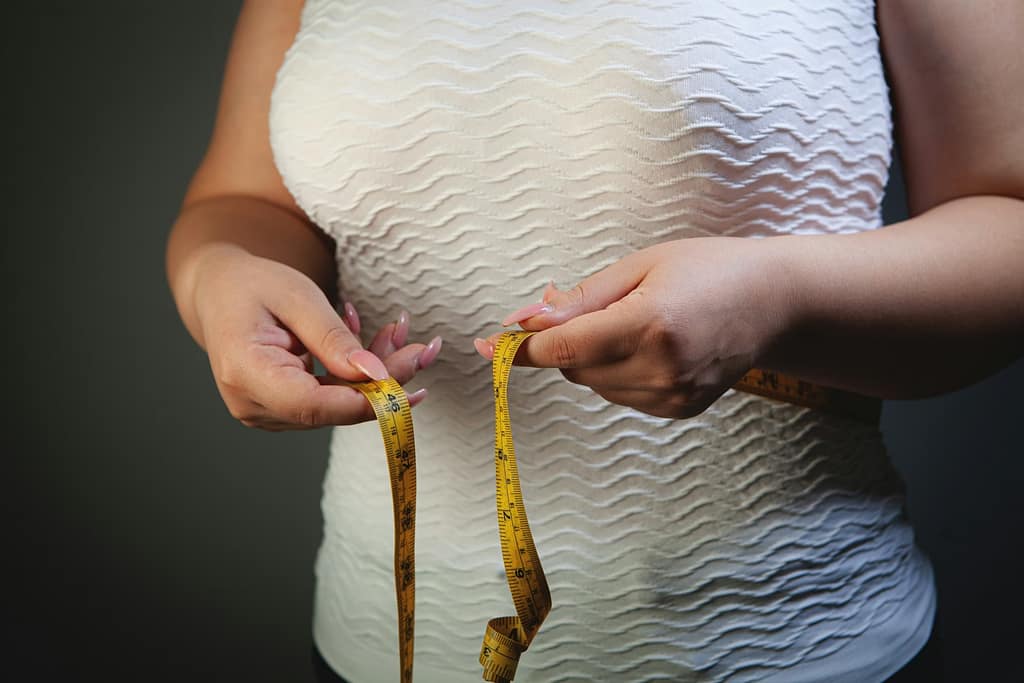

Introduction
How to Lose Weight Without Going to the Gym. The gym is often treated as the only real path to weight loss, but science tells a different story. Research directly comparing diet-only and exercise-only interventions has consistently found that dietary restriction offers a clear advantage over exercise alone as a weight loss strategy. In fact, a large systematic review found that exercise-only programs were less effective for weight loss than programs combining diet and activity, both in the short and long term.
That doesn’t mean movement doesn’t matter, of course, it does. But it means the gym isn’t the gatekeeper of weight loss that it’s often made out to be. What actually drives fat loss is a combination of what you eat, how much you naturally move throughout the day, how well you sleep, and how you manage stress. None of that requires a membership, a treadmill, or an hour carved out of your evening.
In fact, a good case study in this regard is me. When I signed up to go the gym at a fitness center for a year. During this period, I ran on the tread mill, used almost all the equipment at the gym. I even enjoyed the sauna there. However, at the of the year, I didn’t see any significant change in my health or weight loss. So I decided to end my trip to the gym and started going to the public park anytime I had free time. I also reduced my food quantity intake and the stopped eating junk food. I ate mostly vegetables and low-fat foods. Soon I lost weight and began to sleep better than before. That was when I discovered that I can manage my weight and live a healthy life without the gym.
This post breaks down the evidence-backed strategies that let you lose weight through daily life, without a workout routine. It also explains the science behind why they work. So let’s find out the secret together.
The Science of Weight Loss: How to Lose Weight Without Going to the Gym.

At its core, weight loss comes down to energy balance. This consumes fewer calories than your body uses. But how your body uses those calories is interestingly more important than most people realize.
Total daily energy expenditure isn’t dominated by intentional workouts. According to metabolic research, diet-induced thermogenesis accounts for roughly 8-15% of total energy expenditure. Resting energy expenditure makes up 50-75%, and the remainder comes from activity energy expenditure. This is the category that includes both structured exercise and everyday movement. Most people assume that “activity” means gym time, but a large portion of it is actually something researchers call NEAT: Non-Exercise Activity Thermogenesis.
NEAT includes physical activity at work, hobbies, standing instead of sitting, walking, climbing stairs, doing chores, and even fidgeting. Essentially, everything you do that isn’t sleeping, eating, or formal exercise is part of NEAT. What makes it so significant is its scale: it can account for anywhere from 6-10% up to 50% of a person’s total energy expenditure. The differences in NEAT can explain up to a 2,000 kcal/day gap between individuals of similar body size, largely driven by occupation and daily habits rather than workouts.
This helps explain why exercise alone so often disappoints as a weight loss tool. Beyond the modest calorie burn of a typical workout, the body tends to compensate itself. It is a phenomenon researchers are still actively studying through trials. They are examining the metabolic changes in energy intake and expenditure that occur in response to increased exercise. Meanwhile, real-world data reinforces where the leverage actually is. A recent large-scale study concluded that reducing calorie intake, particularly from ultra-processed foods, is likely more effective for weight management than increasing exercise.
The takeaway isn’t that movement is pointless. It’s that the type of movement that matters most for weight loss isn’t confined to a gym, and the biggest lever of all is what’s on your plate. The rest of this guide walks through exactly how to use both.
Nutrition Strategies That Drive Fat Loss
Diet is the biggest lever in weight loss. So, start there. This section breaks down four food-based strategies backed by research.
Eat More Protein: How to Lose Weight Without Toing to the Gym
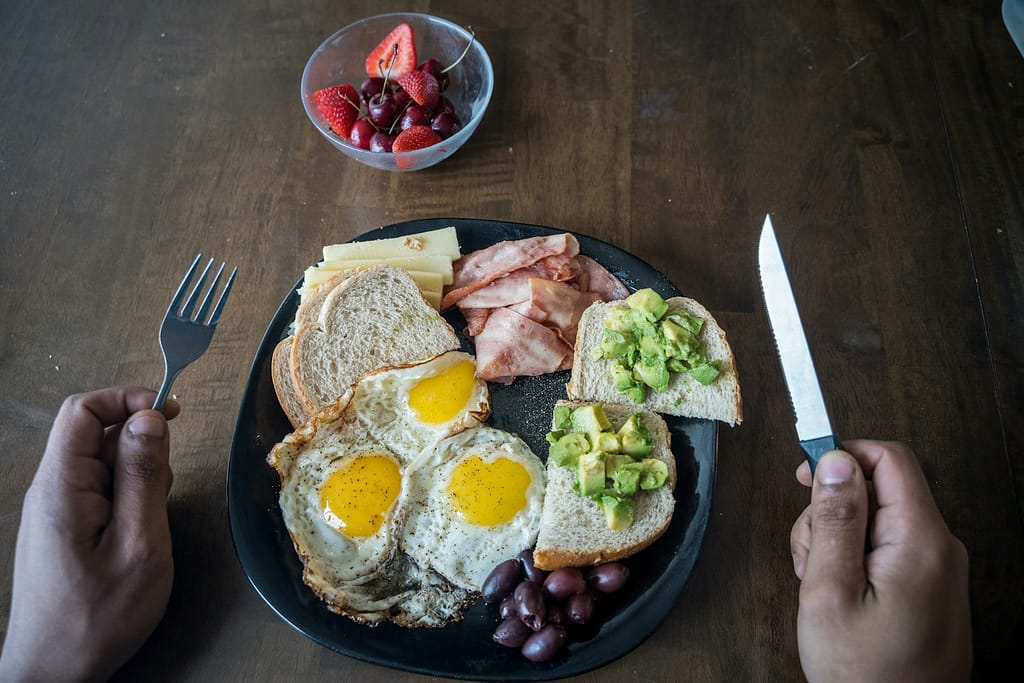
Protein does double duty. First, it raises your metabolism. Studies confirm that protein produces a stronger thermic effect than carbs or fat. This means that your body burns more calories by just digesting it. Next, protein increases satiety. Research shows that higher-protein meals reduce hunger and cut subsequent calorie intake, compared to lower-protein meals. As a result, you eat less without trying as hard. Therefore, adding a protein source to every meal is one of the simplest changes you can make.
Prioritize Fiber:How to Lose Weight Without Going to the Gym
Fiber works differently, but the outcome is similar. Soluble fiber slows digestion. Consequently, it keeps you full for longer. Research on high-fiber diets shows that fiber intake predicts both weight loss success and adherence to calorie-restricted diets. In other words, fiber doesn’t just help you eat less, it helps you stick with eating less. So, add vegetables, legumes, and whole grains to your plate before you add anything else.
Cut Back on Ultra-Processed Foods: How to Lose Weight Without Going to the Gym

Ultra-processed foods are engineered to override your natural fullness cues. That’s not a guess, it’s backed by data. Recent large-scale research points to excess calorie intake, driven largely by ultra-processed foods, as the main force behind rising obesity rates, more so than inactivity. For this reason, instead of counting every calorie, start by swapping packaged, processed items for whole foods. This one shift often reduces intake automatically.
Rethink Meal Timing
Meal timing gets a lot of attention, especially intermittent fasting. However, the evidence here is more mixed. Fasting doesn’t appear to offer a unique metabolic advantage over standard calorie restriction. Still, it can help some people naturally eat less, since it simplifies decision-making around food. Therefore, if a fasting window fits your lifestyle, use it as an adherence tool but not a metabolic shortcut.
Together, these four strategies target the same goal: eat fewer calories, but do it in a way that feels sustainable.
Everyday Movement: Exercise Without “Exercising”

The gym isn’t the only place to burn calories. In fact, most of your daily energy expenditure happens outside of any workout. So, let’s look at where that energy actually goes.
Walk More: How to Lose Weight Without Going to the Gym
Walking is the simplest form of movement, but don’t underestimate it. A large meta-analysis found that each additional 1,000 steps per day lowers all-cause of mortality risk by 15%. Similarly, cohort research shows that step counts between 8,000 and 10,000 per day offer the strongest protective benefit for adults under 60. Even smaller amounts help. One study found that adults who hit 8,000 steps just one or two days a week still saw meaningful lower mortality risk. So, you don’t need a perfect streak. You just need consistency over time.
To build this habit, take the stairs instead of the elevator. Park further from the entrance. Walk during phone calls. Each choice adds up.
Embrace NEAT:How to Lose Weight Without Going to the Gym
Beyond walking, there’s a broader category of movement called NEAT — Non-Exercise Activity Thermogenesis. This covers everything you do that isn’t sleeping, eating, or formal exercise: standing, fidgeting, cleaning, gardening, carrying groceries, and more.
NEAT matters more than most people realize. Research shows it can account for up to 50% of total energy expenditure in highly active individuals. Even more striking, differences in NEAT alone can explain a 2,000-calorie gap between two people of similar size. That’s the equivalent of an entire extra meal, burned through nothing but daily habits.
So, look for ways to increase NEAT throughout your day. Stand while you work. Pace while you’re on the phone. Do your own yard work instead of hiring it out. None of this feels like exercise, but it adds up like one.
Reduce Sedentary Time: How to Lose Weight Without Going to the Gym

Sitting for long stretches works against you. Research comparing sitting and standing shows that standing burns more calories, even at rest. Therefore, breaking up long periods of sitting even briefly, helps offset the metabolic cost of a desk job. A short walk every hour, or a standing desk, can shift your daily energy balance without adding a single formal workout.
Make Movement Automatic
Ultimately, the goal isn’t to schedule more exercise. It’s to design a lifestyle where movement happens by default. Choose stairs. Walk to the store. Stand during calls. Over a week, these small choices outperform a single gym session, because they compound throughout every hour you’re awake.
Sleep and Stress: The Hidden Drivers of Weight Gain
Diet and movement get most of the attention. However, sleep and stress quietly influence both hunger and fat storage. So, don’t skip this section, it explains why some people struggle to lose weight even with solid nutrition habits.
How Sleep Deprivation Triggers Hunger and Weight Gain

Sleep regulates two key appetite hormones: leptin and ghrelin. Leptin signals fullness. Ghrelin signals hunger. When sleep is restricted, these signals shift. Research shows that just two nights of sleep restriction can lower leptin by 18% and raise ghrelin by 28%. As a result, hunger and appetite both increase, especially for calorie-dense, carbohydrate-rich foods.
This isn’t just a lab finding, either. One controlled study found that sleep-restricted participants ate an extra 328 calories from snacks the next day, mostly from carbs. That’s the calorie equivalent of a small meal, triggered by nothing more than a bad night’s sleep.
To be fair, not every study agrees. A recent meta-analysis found no consistent hormonal changes after short-term sleep loss. Still, the broader pattern across studies links poor sleep to increased hunger, more snacking, and long-term weight gain. So, treating sleep as part of your weight loss plan — not separate from it — makes sense.
Sleep and Weight Loss: How to Lose Weight Without Going to the Gym.
Given this, a few habits go a long way:
- Keep a consistent sleep and wake time, even on weekends.
- Limit screens before bed, since light exposure delays melatonin release.
- Avoid caffeine late in the day.
- Aim for 7 to 9 hours consistently, rather than “catching up” on weekends.
None of this requires a gym. It just requires protecting your sleep the same way you’d protect a meal plan.
Cortisol and Belly Fat: The Stress-Weight Gain Connection

Stress works through a different pathway, but the outcome is similar. When stress becomes chronic, cortisol stays elevated. Cortisol then increases appetite and drives cravings for high-calorie comfort foods.
Beyond appetite, cortisol also changes where fat gets stored. Visceral fat — the fat surrounding your organs — contains far more cortisol receptors than fat stored elsewhere. Consequently, chronically high cortisol pushes fat storage specifically toward the abdomen. Research also shows this fat becomes self-reinforcing: visceral fat tissue converts inactive cortisone into active cortisol, feeding the same cycle that caused it to form.
How to Lower Cortisol and Support Fat Loss
Fortunately, several simple habits help regulate cortisol:
- Practice short mindfulness or breathing exercises daily.
- Prioritize sleep, since poor sleep itself raises cortisol.
- Move throughout the day — walking lowers stress hormones effectively.
- Limit excess caffeine, which can spike cortisol further.
- Stay socially connected, since isolation is linked to elevated stress hormones.
Taken together, sleep and stress management aren’t optional extras. Instead, they directly support — or undermine — everything covered in the nutrition and movement sections above.
Behavioral and Psychological Tools for Sustainable Weight Loss
Diet and movement provide the mechanics. However, behavior determines whether those mechanics stick. So, this section covers the habits that turn short-term changes into long-term weight loss.
Food Journaling and Self-Monitoring for Weight Loss
Tracking food intake sounds tedious, but the data backs it up. Research shows that dietary self-monitoring is strongly associated with weight loss, and that people who track more consistently lose more weight. One study found that simply tracking at least two eating occasions per day explained more of the variance in six-month weight loss than any other adherence measure.
That said, self-monitoring tends to fade over time. Studies show adherence drops sharply after the first few weeks, and fewer than half of participants keep tracking past week ten. So, the goal isn’t perfection. Instead, aim for consistency during the early weeks, when tracking has the biggest impact on building awareness around portion sizes and hidden calories.
Mindful Eating: Does It Support Weight Loss?
Mindful eating takes a different angle. Rather than counting numbers, it focuses on awareness — slowing down, noticing hunger and fullness cues, and reducing emotional or distracted eating.
The evidence here is mixed but promising. A review of mindfulness-based interventions found that a majority of studies reported significant weight loss among participants. However, when compared directly to calorie restriction, mindful eating alone doesn’t outperform it. Instead, its real strength lies elsewhere: research shows mindful eating specifically reduces emotional and uncontrolled eating, which matters most for people who eat in response to stress rather than hunger.
As such, use mindful eating as a complement to calorie awareness, not a replacement for it. Eat slower. Put your phone down during meals. Notice when you’re full, then stop.
Habit Stacking and Environmental Design for Weight Loss
Willpower fades. Environment doesn’t. That’s why small design changes to your surroundings often outperform motivation alone.
Start by attaching new habits to ones you already have — a method known as habit stacking. For example, drink a glass of water right after you brush your teeth. Or, take a short walk immediately after lunch. Since the first habit already happens automatically, the second one rides along with it.
Next, adjust your environment to reduce food cues. Keep tempting snacks out of sight, or out of the house entirely. Meanwhile, keep healthier options visible and accessible. This shifts the “default” choice in your favor, so you rely less on decision-making in the moment.
Building Habits That Last: How to Lose Weight Without Going to the Gym.
Ultimately, all three tools — tracking, mindfulness, and environment design, work together. Tracking builds awareness. Mindfulness reduces emotional eating. Environmental design removes friction. Combined, they create a system that supports weight loss even on days when motivation runs low.
A Sample Day and Week for Losing Weight Without the Gym
Knowing the science is one thing. Putting it into practice is another. So, here’s a simple framework that combines everything covered so far, without requiring a single gym visit.
A Sample Day for Weight Loss Without Exercise
Morning: Start with a protein-rich breakfast. Eggs, Greek yogurt, or a protein smoothie all work well. Then, walk or stand while you check your phone or drink coffee. This small shift builds NEAT before your day even starts.
Midday: Take a short walk before or after lunch. Even ten minutes counts. Then, build your meal around protein and fiber — think grilled chicken with vegetables, or a lentil-based salad. Since fiber and protein both boost satiety, this combination keeps you full longer.
Afternoon: Stand up and move every hour. Set a reminder if needed. Then, swap one processed snack for a whole-food option, like fruit or nuts. This one change targets the ultra-processed food intake that research links most strongly to overeating.
Evening: Take a walk after dinner. This supports digestion and adds extra steps to your day. Then, wind down without screens for at least 30 minutes before bed. Since screen light delays melatonin, this step protects your sleep quality and therefore your hunger hormones the next day.
Night: Aim for 7 to 9 hours of sleep. Keep your bedtime consistent, even on weekends. This single habit supports both leptin and ghrelin regulation, which directly affects next-day hunger.
A Sample Week for Sustainable Weight Loss
- Firstly, (Daily): Track meals using a simple food log or app. Aim for at least two logged eating occasions per day, since research shows this predicts weight loss better than any other tracking metric.
- Secondly, (Daily): Hit 8,000 to 10,000 steps, spread throughout the day rather than in one long walk.
- Thirdly, (3 to 4 times per week): Practice a short mindfulness or breathing exercise, especially during high-stress days. This helps regulate cortisol and reduce stress-driven eating.
- Fourthly, (Weekly): Do a fridge and pantry reset. Remove ultra-processed snacks. Restock with whole foods that require some preparation — this adds friction to impulsive eating.
- Lastly, (Weekly): Review your food log for patterns. Notice which meals kept you full longest, and repeat them.
Why This Framework Works
None of these steps require a gym membership. Instead, they layer small, evidence-backed habits across the entire day — nutrition, movement, sleep, and behavior working together, rather than one workout trying to do it all.
Common Mistakes to Avoid When Losing Weight Without the Gym
Even with the right strategies, a few common mistakes can quietly undo progress. So, watch for these pitfalls as you build your routine.
Over-Restricting Calories Too Aggressively
Cutting calories works, but cutting too hard backfires. The landmark Minnesota Starvation Study found that severe calorie restriction reduced metabolic rate by roughly 25%, far more than weight loss alone would explain. Participants also developed food obsessions and, once allowed to eat freely again, many overate significantly and regained more weight than they’d lost.
This pattern still shows up in modern crash diets. Research indicates that severe restriction raises ghrelin while suppressing leptin, creating a strong biological drive to overeat. As a result, restrictive diets often trigger binge-restrict cycles instead of steady progress. So, aim for a moderate deficit instead of an extreme one. Slow, steady loss protects both your metabolism and your relationship with food.
Ignoring Protein and Fiber-How to Lose Weight Without Going to the Gym.
Skipping protein and fiber is a quiet mistake, since its effects build slowly. Without enough protein, you lose more muscle during weight loss, and muscle loss lowers your daily calorie burn, since muscle tissue demands more energy than fat. Meanwhile, skipping fiber removes one of the simplest tools for staying full on fewer calories.
Instead, treat protein and fiber as non-negotiables at every meal, not just occasional additions. This alone prevents a lot of the hunger that derails otherwise solid diet plans.
Relying on Diet Alone-How to Lose Weight Without Going to the Gym.
Diet drives most of the results. However, ignoring sleep and stress creates a ceiling on what diet can achieve. Elevated cortisol increases cravings and drives fat storage toward the abdomen, regardless of how clean your diet looks on paper. Similarly, poor sleep disrupts leptin and ghrelin, pushing hunger higher no matter how well you eat during the day.
For this reason, treat sleep and stress management as part of the plan, not an afterthought. Otherwise, you’re fighting hormonal headwinds that no amount of dieting can fully overcome.
Expecting Fast, Dramatic Results: How to Lose Weight Without Going to the Gym.
Finally, patience matters more than people expect. Research shows that a large share of weight lost through extreme methods gets regained within a year. Gradual, sustainable habits — steady steps, consistent sleep, moderate calorie reduction, hold up far better over time than aggressive short-term pushes.
So, measure progress in months, not days. Consistency beats intensity here.
Conclusion
Losing weight without a gym membership isn’t a shortcut. It’s simply a shift in focus. Instead of concentrating solely on workouts, this approach targets the areas that drive the biggest results: nutrition, daily movement, sleep, and behavior.
Diet carries the most weight, quite literally. Protein and fiber build satiety. Cutting back on ultra-processed foods reduces the drive to overeat. Meanwhile, NEAT and simple daily movement — walking, standing, doing chores, add up to a meaningful calorie burn, often rivaling a formal workout. Sleep and stress management then protect the hormonal balance that makes all of this sustainable. Finally, behavioral tools like tracking and environmental design turn short-term motivation into long-term habits.
None of this requires equipment, a class schedule, or a monthly fee. It requires consistency.
So, start small. Pick one change from this guide — swap a processed snack, add a short walk, protect your sleep window — and build from there. Momentum compounds faster than most people expect.
References
1. Chung, N., Park, M.Y., Kim, J., et al. (2018). Non-exercise activity thermogenesis (NEAT): a component of total daily energy expenditure. Journal of Exercise Nutrition & Biochemistry, 22(2), 23-30.
2. von Loeffelholz, C., & Birkenfeld, A.L. (2022). Non-Exercise Activity Thermogenesis in Human Energy Homeostasis. Endotext.
3. Obesity Medicine Association. A Clinician’s Guide to Non-Exercise Activity Thermogenesis (NEAT).
4. Johns, D.J., Hartmann-Boyce, J., Jebb, S.A., & Aveyard, P. (2014). Diet or Exercise Interventions vs Combined Behavioral Weight Management Programs. Journal of the Academy of Nutrition and Dietetics.
5. Medical News Today. For weight loss, diet may matter more than exercise (based on PNAS study).
6. Halton, T.L., & Hu, F.B. (2004). The Effects of High Protein Diets on Thermogenesis, Satiety and Weight Loss: A Critical Review. Journal of the American College of Nutrition, 23(5).
7. A high-protein diet for reducing body fat: mechanisms and possible caveats. PMC.
8. Fiber Intake Predicts Weight Loss and Dietary Adherence in Adults Consuming Calorie-Restricted Diets: The POUNDS Lost Study. ScienceDirect.
9. The role of dietary fibers in regulating appetite: an overview of mechanisms and weight consequences. PubMed.
10. Paluch, A.E., et al. (2022). Association of daily step count and step intensity with mortality among US adults. European Journal of Preventive Cardiology.
11. Daily steps and all-cause mortality: a meta-analysis of 15 international cohorts. PMC.


