


Introduction
The Shocking Truth About $80 Fitness Trackers You Didn’t Know. They’re actually good. Really good. For years, “budget” meant “bare-bones.” Not anymore. Today, $80 buys real hardware and real health insight. So the question isn’t whether a cheap tracker can perform. Instead, it’s which cheap tracker performs best for you.
Enter two strong contenders: the Fitbit Inspire 3 and the Amazfit Bip 6. Both sit at nearly the same price. Yet each takes a different approach to fitness tracking. Let’s break down how they compare, feature by feature.
Design and Display
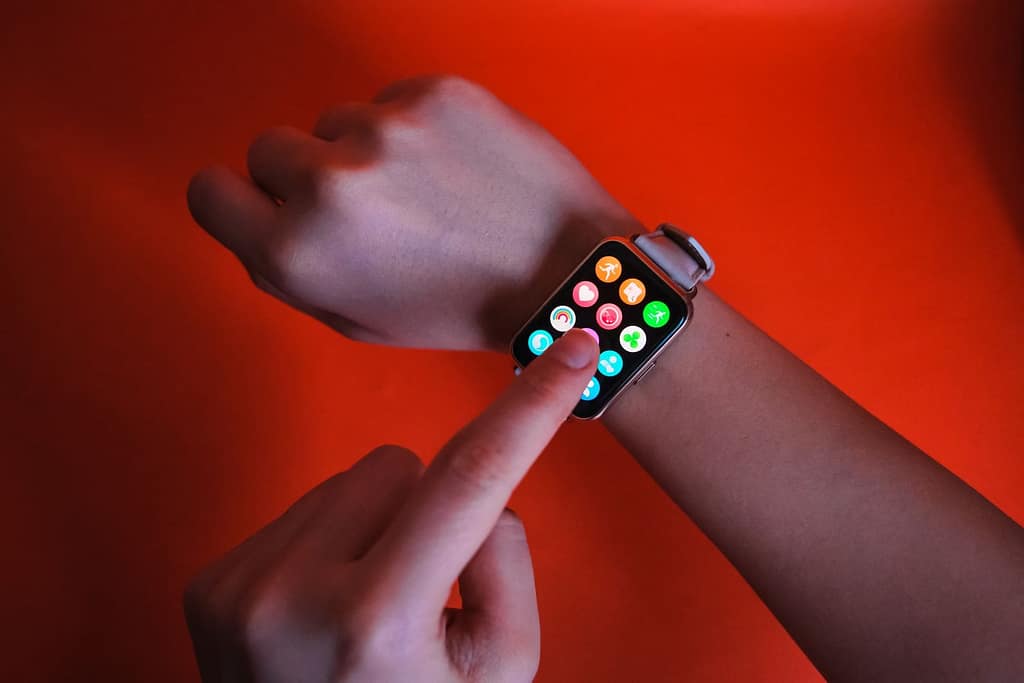
First, let’s talk looks. The Inspire 3 keeps things simple with a small, grayscale OLED touchscreen. As a result, it feels light on the wrist and easy to wear overnight.
The Bip 6, on the other hand, goes bigger. Its 1.97-inch AMOLED display gives you more room to see stats at a glance. Consequently, it looks and feels closer to a full smartwatch, even at this price.
So if screen size matters most to you, the Bip 6 takes this round. But if you prefer a smaller, low-key design, the Inspire 3 still holds its own.
Fitness and Health Tracking:The Shocking Truth About $80 Fitness Trackers You Didn’t Know
Both trackers cover the essentials well. Heart rate, sleep, and daily activity tracking come standard on each device. Beyond that, though, their strengths start to diverge.
The Inspire 3 shines with Fitbit’s Active Zone Minutes feature. This tool rewards you for hitting real heart-rate targets, not just step counts. Meanwhile, the Bip 6 counters with a wider range of workout modes and built-in AI features that add extra context to your data.
Ultimately, both devices track the basics reliably. However, Fitbit edges ahead on guided insights, while Amazfit edges ahead on raw tracking variety.
GPS and Outdoor Use: The Shocking Truth About $80 Fitness Trackers You Didn’t Know
Here’s where the gap widens. The Inspire 3 has no built-in GPS. Instead, it relies on your phone’s GPS to map outdoor routes. That works fine if you always run with your phone. But it’s a real limitation if you don’t.
The Bip 6 solves this problem directly. It ships with built-in GPS and free maps. Therefore, runners and cyclists can leave their phone behind and still track distance and pace accurately.
For outdoor athletes, this feature alone can be the deciding factor.
Battery Life: The Shocking Truth About $80 Fitness Trackers You Didn’t Know
Battery life follows a similar pattern. The Inspire 3 lasts up to 10 days on a single charge. That’s solid for a budget tracker. Still, the Bip 6 goes further, lasting up to 14 days.
Keep in mind, though, that heavy GPS use and always-on displays drain any battery faster. So real-world results depend on how you use each device day to day.
App and Ecosystem
Software experience matters just as much as hardware. Fitbit’s app feels polished and mature. It also connects smoothly with Google’s broader health ecosystem, which adds long-term value.
Amazfit’s Zepp app, meanwhile, gets the job done. It shows your data clearly and supports the Bip 6’s AI features well. That said, it doesn’t yet match Fitbit’s ecosystem depth or community tools.
If you already use Google services, Fitbit’s app will feel familiar right away. If not, Zepp still delivers a clean, functional experience.
Price and Value
Both trackers land around the same $80 price point. Given that, the real value question isn’t cost. It’s which features matter most to you.
For comparison, pricier options like the Fitbit Charge 6 or entry-level Garmin watches add GPS and more advanced metrics. However, they also cost significantly more. So at $80, both the Inspire 3 and Bip 6 punch well above their price.
Who Should Buy Which
Choose the Fitbit Inspire 3 if you:
- Want a simple, lightweight design
- Care most about sleep tracking
- Already use Google or Fitbit’s ecosystem
- Don’t need built-in GPS
Choose the Amazfit Bip 6 if you:
- Want a bigger, brighter display
- Run or cycle outdoors without your phone
- Prioritize battery life above all else
- Like having AI-driven workout insights
Spec Comparison at a Glance
| Feature | Fitbit Inspire 3 | Amazfit Bip 6 |
| Price | ~$79.99 | ~$79.99 |
| Display | 1.47″ grayscale OLED | 1.97″ AMOLED |
| GPS | Connected GPS (via phone) | Built-in GPS + free maps |
| Battery life | Up to 10 days | Up to 14 days |
| App | Fitbit / Google | Zepp |
Conclusion
So, which tracker wins? Honestly, neither one beats the other outright. Instead, each one wins for a different kind of user.
Choose the Inspire 3 for simplicity and a trusted ecosystem. Choose the Bip 6 for bigger hardware value and outdoor-ready GPS. Either way, at $80, you’re getting a genuinely capable fitness tracker. And that’s a win for your wallet, too.

Post navigation
Previous Post
 Proven Ways to Crush Stress Belly Fat for Good
Next Post

