


Introduction: The Truth About Bottled Water
The Truth About Bottled Water. Walk into any store, and you’ll find shelves lined with bottled water—marketed as pure, safe, and convenient. Yet, growing concerns about plastics, chemical exposure, and environmental contamination have sparked an important question:
Can bottled water increase your risk of Cancer? The Truth About Bottled Water
This blog breaks down the science, separating fear-driven myths from evidence-based facts. We’ll examine microplastics, chemical leaching, regulatory standards, and what current research actually says about long-term health risks.
Understanding Bottled Water: What’s Really Inside?
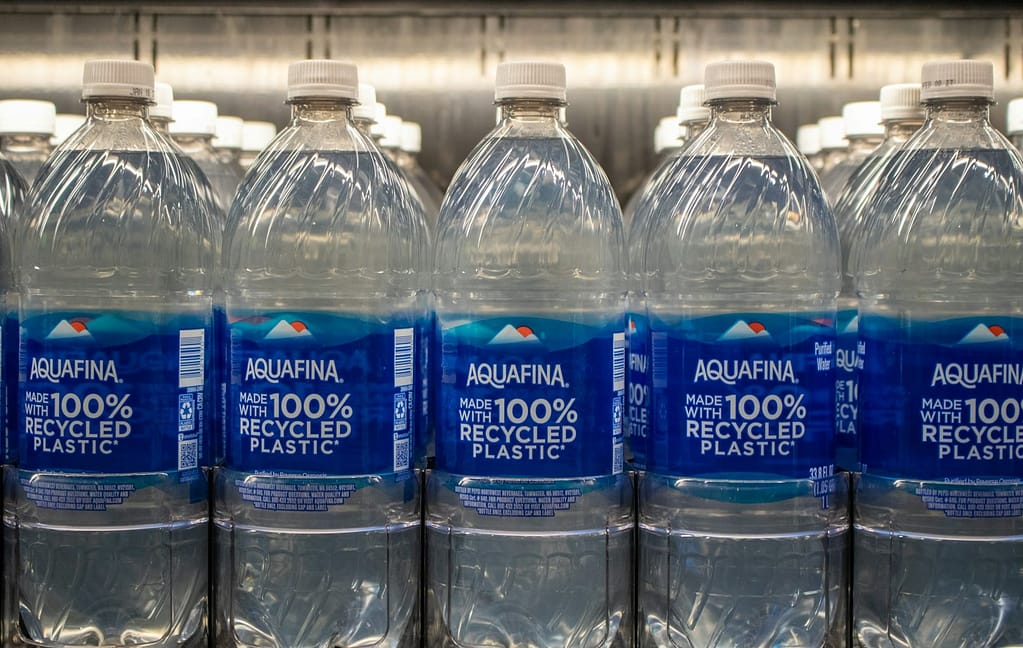
First off, most bottled water comes in plastic containers made from polyethylene terephthalate (PET). Secondly, these bottles are lightweight, inexpensive, and generally considered safe for single use. However, concerns arise from two main issues:
- Firstly, Chemical leaching from plastic into water
- Secondly, Microplastic contamination
These concerns are often amplified online—but not always accurately.
Myth vs. Reality: Does Bottled Water Cause Cancer?
Myth: Bottled water directly causes cancer
There is currently no strong scientific evidence showing that drinking bottled water directly causes cancer in humans.
Reality: Potential risks exist—but they are indirect and still being studied.
Some compounds associated with plastics may influence biological processes linked to diseases, including cancer. However, exposure levels from bottled water are typically very low and within regulatory safety limits.
The Science of Microplastics in Bottled Water–The Truth About Bottled Water
What Are Microplastics?
Microplastics are tiny plastic particles (less than 5 mm in size) that can enter water:
- Firstly, during bottling processes
- Secondly, during packaging degradation
- Thirdly, through environmental contamination
The widely cited study by the World Health Organization found that microplastics are present in both bottled and tap water worldwide.
How Do Microplastics Affect the Body? The Truth About Bottled Water This is where things become complex
Research suggests that microplastics may:
- Enter the digestive system
- Potentially accumulate in tissues
- Carry harmful chemicals or pathogens
Some studies have explored links between microplastics and:
- Inflammation
- Oxidative stress
- Cellular damage
These conditions above, are known contributors to diseases, including Cancer—but direct causation has not been established.
Key Scientific Insight–The Truth About Bottled Water
According to the World Health Organization:
“There is currently no evidence to indicate a human health risk from microplastics in drinking water.”
However, the WHO also emphasizes that more long-term studies are needed.
Chemical Leaching: What’s Really at Risk?
1. BPA and Endocrine Disruption–The Truth About Bottled Water
You’ve probably heard of BPA (Bisphenol A), a chemical once commonly used in plastics.
- In the first place, BPA is linked to hormonal disruption
- Secondly, it may mimic estrogen in the body
- Thirdly, it has been studied for potential links to Endocrine Disruption
However:
- Most bottled water containers today are labeled “BPA-free”
- PET bottles typically do not contain BPA
2. Antimony and Other Chemicals–The Truth About Bottled Water
PET bottles can release small amounts of antimony, especially when exposed to heat.
Studies show that:
- Antimony levels increase when bottles are stored at high temperatures
- Levels generally remain below safety thresholds set by regulatory bodies
3. Phthalates – The Truth About Bottled Water
Phthalates are chemicals used to make plastics flexible.
- Firstly, they can leach into water under certain conditions
- Next, some are linked to hormonal disruption
Again, exposure from bottled water is typically minimal.
Heat and Storage: A Critical Factor
One of the most overlooked risks is how bottled water is stored.
Why Heat Matters – The Truth About Bottled Water
When plastic bottles are exposed to high temperatures (e.g., inside cars, direct sunlight):
- Chemical leaching increases
- Plastic breakdown accelerates
- Microplastic release may rise
Scientific Evidence – The Truth About Bottled Water
Research published in environmental health journals shows that:
- Heat exposure significantly increases chemical migration from PET bottles
- Prolonged storage worsens contamination levels
Regulatory Standards: Are Bottled Waters Safe?
Global Oversight
Bottled water is regulated by organizations such as:
- World Health Organization
- U.S. Food and Drug Administration
- European Food Safety Authority
These agencies set limits:
- Firstly, on chemical contaminants
- Secondly, on microbial safety
- Thirdly, on packaging materials
Key Takeaway – The Truth About Bottled Water
Bottled water sold commercially must meet strict safety standards.
This means that:
- Firstly, chemical exposure is kept below harmful levels.
- Secondly, acute health risks are extremely low
Comparing Bottled Water vs. Tap Water – The Truth About Bottled Water
Which Is Safer?
| Factor | Bottled Water | Tap Water |
| Regulation | Strict (varies by country) | Strict |
| Microplastics | Present | Present |
| Cost | High | Low |
| Environmental Impact | High | Low |
Interestingly, studies show that:
- Tap water can sometimes contain fewer microplastics than bottled water
- Both sources are generally safe in developed systems
Environmental Impact and Indirect Health Effects
While bottled water may not directly cause cancer, its environmental impact is significant.
Plastic Pollution
- In the first place, millions of plastic bottles end up in oceans annually
- Secondly, breakdown leads to widespread microplastic contamination
This contributes to long-term ecosystem disruption, which may indirectly affect human health.
Emerging Research: What Scientists Are Still Studying
The biggest uncertainty lies in long-term exposure.
Areas Under Investigation
- First area is microplastic accumulation in human organs
- The second is the interaction with immune system
- Third area is long-term carcinogenic potential
Some early studies suggest that:
- Microplastics have been found in human blood and lung tissue.
- Their long-term effects are still unknown
Risk Perspective: Should You Be Worried?
Short Answer: Not excessively—but stay informed
Here’s a balanced view:
- Firstly, there is no direct evidence linking bottled water to cancer
- Secondly, there are plausible mechanisms that justify caution
- Thirdly, current exposure levels are considered safe.
Practical Tips to Reduce Potential Risk
1. Avoid Heat Exposure – The Truth About Bottled Water
- First, don’t leave bottles in hot cars
- Secondly, store in cool, shaded areas
2. Limit Reuse of Plastic Bottles
- Single-use bottles degrade over time
3. Consider Alternatives
- Firstly, consider glass or stainless steel bottles
- Secondly, think about filtered tap water
4. Check Storage Duration
- Avoid drinking from old or degraded bottles
Expert Consensus: What the Evidence Really Says
Scientific consensus today can be summarized as follows:
- One: Bottled water is safe under normal conditions
- Two:Microplastics are present but not proven harmful at current levels
- Three:Long-term risks remain uncertain and under study
Organizations like the World Health Organization emphasize caution—but not alarm.
Conclusion: Separating Fear from Fact – The Truth About Bottled Water
The idea that bottled water directly causes Cancer is not supported by current scientific evidence. However, the conversation is far from over.
We are living in an era where:
- Plastic exposure is widespread
- Microplastics are increasingly detected in the human body
- Long-term health effects are still unfolding
Final Thought – The Truth About Bottled Water
Instead of fear, the best approach is informed awareness:
- Firstly, understand the science
- Secondly, reduce unnecessary exposure
- Thirdly, make smarter daily choices
Your health is shaped not by one factor—but by consistent, informed decisions over time.
References (Scientific & Authoritative Sources)
- World Health Organization – Microplastics in Drinking Water Report
- U.S. Food and Drug Administration – Bottled Water Safety Regulations
- European Food Safety Authority – Chemical Exposure Guidelines
- Mason, S. et al. (2018). Synthetic Polymer Contamination in Bottled Water
- Schwabl, P. et al. (2019). Detection of Microplastics in Human Stool
- Ragusa, A. et al. (2021). Microplastics in Human Placenta

Post navigation
Previous Post
 Discover What Science Says About Faith and longevity
Next Post

