


Introduction
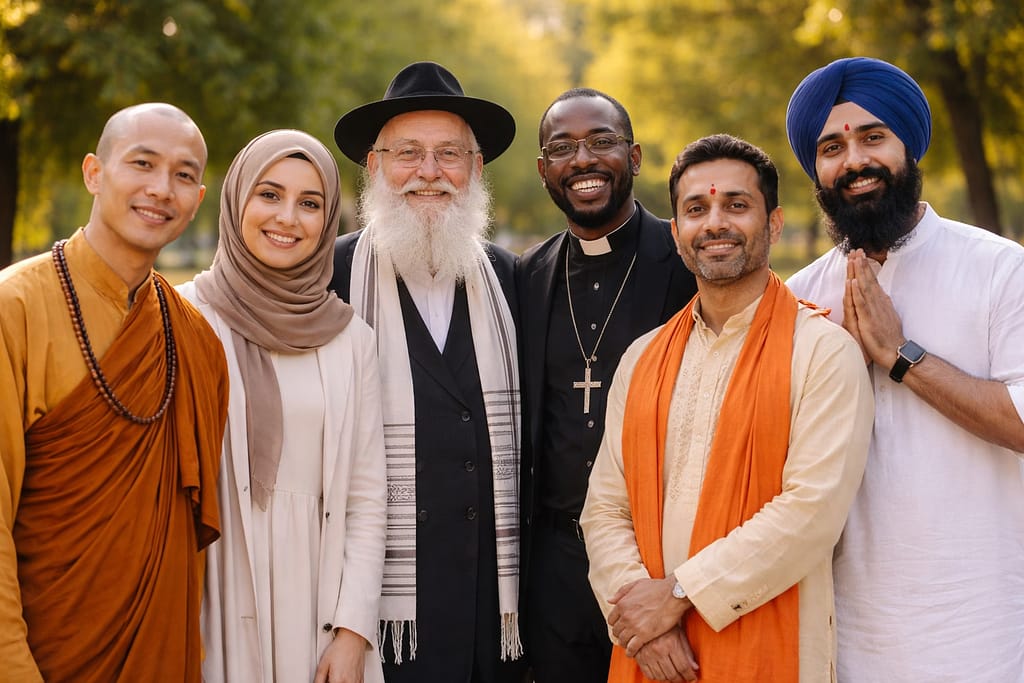
Discover What Science Says About Faith and longevity. People chase the latest health breakthroughs—fad diets, high-tech workouts, biohacking gadgets, and supplement stacks. Yet science spotlights one overlooked powerhouse: faith and spirituality. Discover what research reveals about its effects on stress and longevity.
For decades, scientists have been quietly uncovering a fascinating truth:
Your spiritual life may significantly influence your stress levels, mental resilience, and even how long you live.
This isn’t just philosophy—it’s backed by emerging research in fields like Psychoneuroimmunology and neuroscience. These disciplines explore how your thoughts, emotions, beliefs, and spiritual practices directly impact your brain, immune system, and overall health.
In this article, we’ll break down the science behind faith, stress reduction, and longevity—while giving you practical ways to apply these insights to your daily life.
1. Understanding the Stress Epidemic-What Does Science Say About Faith, Stress, and Longevity?
Before we explore faith, we must understand the problem it helps solve: chronic stress.
What Happens When You’re Stressed?
When your body perceives stress, it activates the “fight or flight” response:
- Increased heart rate
- Elevated blood pressure
- Release of cortisol (stress hormone)
- Suppressed immune function
While this response is helpful in short bursts, chronic stress keeps your body in a constant state of alert—and that’s dangerous.
The Long-Term Effects of Chronic Stress-Discover What Science Says About Faith and longevity
Research shows chronic stress is linked to:
- Heart disease
- Obesity
- Diabetes
- Anxiety and depression
- Weakened immune system
- Reduced lifespan
In other words, unmanaged stress doesn’t just affect how you feel—it affects how long you live.
2. Faith as a Biological Stress Regulator

Here’s where things get interesting.
Scientific studies have found that faith-based practices—including prayer, meditation, and spiritual reflection—can significantly reduce stress.
How Faith Impacts the Body-What Does Science Say About Faith, Stress, and Longevity?

When you engage in spiritual practices, your body shifts from “fight or flight” to “rest and digest.”
This leads to:
- Lower cortisol levels
- Reduced heart rate
- Improved blood pressure
- Enhanced immune function
The Brain Connection-What Science Says About Faith, Stress, and Longevity
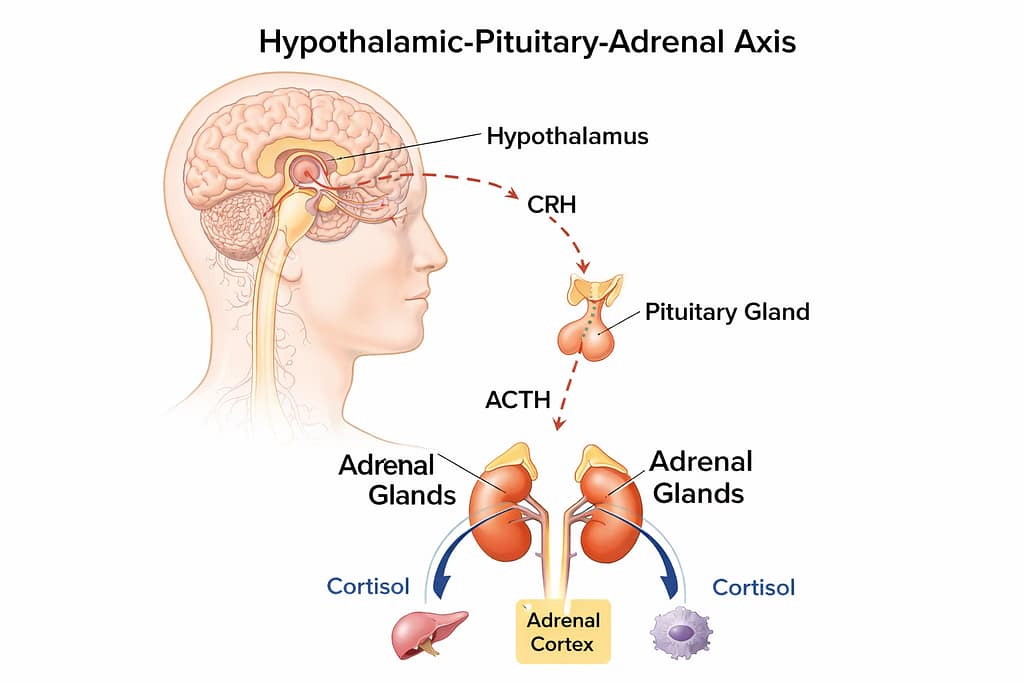
Spiritual practices also affect the brain through Neuroplasticity, which is your brain’s ability to rewire itself.
Regular prayer or meditation can:
- Strengthen emotional regulation
- Reduce anxiety
- Increase feelings of peace and control
In simple terms:
Faith trains your brain to handle stress better.
3. The Science of Prayer and Meditation-Discover What Science Says About Faith and longevity

Many people think of prayer and meditation as purely religious or philosophical activities. However, science tells a different story.
Measurable Effects of Spiritual Practices-Discover What Science Says About Faith and longevity
Studies using brain imaging and physiological measurements have shown that prayer and meditation can:
- Activate the prefrontal cortex (decision-making and focus)
- Reduce activity in the amygdala (fear center)
- Improve emotional stability
The Relaxation Response-What Does Science Say About Faith, Stress, and Longevity
Dr. Herbert Benson, a pioneer in mind-body medicine, described something called the relaxation response—a state opposite to stress.
This response is triggered by:
- Repetitive prayer
- Deep breathing
- Meditation
- Scripture reflection
Benefits include:
- Lower oxygen consumption
- Reduced inflammation
- Improved cardiovascular health
This is why many people feel calm, centered, and refreshed after spiritual reflection.
4. Faith and Mental Resilience-What Does Science Say About Faith, Stress, and Longevity
One of the most powerful benefits of faith is its ability to build mental toughness.
Faith Provides Meaning-Discover What Science Says About Faith and longevity

People with strong spiritual beliefs often have:
- A sense of purpose
- Greater hope during hardship
- Increased emotional stability
When life becomes difficult, faith helps answer the deeper question:
“Why am I going through this?”
That sense of meaning reduces emotional distress and prevents burnout.
Faith Reduces Anxiety and Depression

Research shows that individuals who regularly engage in spiritual practices tend to experience:
- Lower rates of depression
- Reduced anxiety levels
- Higher life satisfaction
Why?
Because faith encourages:
- Trust instead of fear
- Hope instead of despair
- Acceptance instead of resistance
5. The Longevity Connection: Can Faith Help You Live Longer?

Now we arrive at one of the most fascinating questions:
Can faith actually increase lifespan?
What Research Suggests–What Science Says About Faith, Stress, and Longevity
Multiple long-term studies indicate that people who are spiritually engaged tend to live longer than those who are not.
Factors contributing to this include:
1. Lower Stress Levels-What Does Science Say About Faith, Stress, and Longevity
Chronic stress accelerates aging. Faith reduces stress.
2. Healthier Lifestyle Choices
Faith-based individuals are more likely to:
- Avoid harmful habits
- Practice self-control
- Maintain healthier routines
3. Stronger Social Connections-Discover What Science Says About Faith and longevity
Spiritual communities provide:
- Emotional support
- Accountability
- A sense of belonging
4. Improved Mental Health-What Does Science Say About Faith, Stress, and Longevity
Better mental health leads to:
- Stronger immune function
- Reduced inflammation
- Lower disease risk
When combined, these factors significantly impact longevity.
6. The Immune System and Spiritual Health
One of the most exciting areas of research is how spirituality affects immunity.
Mind-Body-Immune Connection
Through Psychoneuroimmunology, scientists have discovered that:
- Your thoughts influence your immune system
- Chronic stress weakens immune defenses
- Positive emotional states strengthen immunity
Faith as an Immune Booster-What Science Says About Faith, Stress, and Longevity
Spiritual practices promote:
- Emotional balance
- Reduced inflammation
- Better sleep
All of these are critical for a strong immune system.
This means your spiritual habits could influence how well your body fights disease.
7. Gratitude, Faith, and Healing-What Does Science Say About Faith, Stress, and Longevity
Gratitude is a central component of many faith traditions—and it has powerful scientific backing.
The Science of Gratitude
Studies show that gratitude can:
- Improve sleep quality
- Reduce stress hormones
- Increase happiness
- Enhance overall health
Why Gratitude Works–What Science Says About Faith, Stress, and Longevity
Gratitude shifts your focus:
- From problems → to blessings
- From fear → to trust
- From stress → to peace
This mental shift has real biological effects, including:
- Lower blood pressure
- Reduced inflammation
- Improved heart health
8. The Role of Rest and Spiritual Rhythm
Modern culture glorifies busyness—but your body and mind need rest.
Spiritual Perspective on Rest-Discover What Science Says About Faith and longevity
Many spiritual traditions emphasize:
- Sabbath or rest days
- Reflection and stillness
- Disconnecting from constant activity
Scientific Benefits of Rest–What Science Says About Faith, Stress, and Longevity
- Muscle recovery
- Hormonal balance
- Improved brain function
- Reduced stress
Without rest, both physical and spiritual health decline.
9. Practical Ways to Apply This in Your Daily Life
Understanding the science is powerful—but application is everything.
Here’s a simple daily routine to integrate faith into your health journey:
Morning (5–10 Minutes)
- Deep breathing
- Short prayer or meditation
- Set a positive intention
Benefit: Starts your day with calm and focus
Midday Reset (2–5 Minutes)
- Pause and reflect
- Practice gratitude
- Stretch and breathe
Benefit: Reduces accumulated stress
Evening Reflection (5–10 Minutes)
- Review your day
- Release stress
- Quiet your mind
Benefit: Improves sleep and recovery
10. Why This Matters for Your Fitness Journey
Most people approach fitness from a purely physical perspective:
- Diet
- Exercise
- Supplements
But they ignore one critical factor: the internal state.
The Truth About Sustainable Health-What Does Science Say About Faith, Stress, and Longevity

You can’t achieve lasting health without:
- Mental balance
- Emotional stability
- Spiritual clarity
Faith strengthens all three.
11. The Kwamzworld Advantage: A New Approach to Health
At Kwamzworld Health and Fitness Hub, the goal is different.
Not just:
- Building muscles
- Losing weight
But:
Transforming lives through mind-body-spirit alignment
This approach leads to:
- Better consistency
- Deeper motivation
- Long-term transformation
12. Key Takeaways
Let’s summarize the science:
First, Faith Reduces Stress
- Lowers cortisol
- Improves heart health
Faith, Rewires the Brain-Discover What Science Says About Faith and longevity
- Enhances emotional control
- Builds resilience through Neuroplasticity
Secondly, Faith Strengthens the Immune System
- Reduces inflammation
- Improves disease resistance
Thirdly, Faith Supports Longevity
- Encourages healthy habits
- Builds strong social connections
Conclusion: The Future of Health Is Holistic
The evidence is clear:
Health is not just physical—it is deeply spiritual.
Science is finally catching up to what many have believed for centuries:
Your faith, mindset, and inner life are powerful forces that shape your physical health and longevity.
As you continue your journey with Kwamzworld, remember:
- Train your body
- Strengthen your mind
- Nourish your spirit
Because true wellness isn’t just about living longer—
It’s about living better.
Call to Action
If this resonated with you:
- Start a simple daily spiritual routine today
- Share this article with someone who needs encouragement
- Explore more content on Kwamzworld Health and Fitness Hub
References (Simplified for Blog Use)
- Harvard Health Publishing – Mind-body medicine research
- Mayo Clinic – Stress and health
- American Psychological Association – Stress effects
- National Institutes of Health (NIH) – Meditation studies
- Journal of Behavioral Medicine – Faith and longevity research
yoga

Post navigation
Previous Post
 The Ultimate Guide to Getting Fit in 10–15 Minutes a Day
Next Post

