


Introduction
Fiber: The Most Important Nutrient Nobody’s Talking About. As you may know, most people chase protein. Others obsess over omega-3s. Meanwhile, almost everyone is quietly falling short on fiber. According to USDA survey data, the average American eats only about 15 to 16 grams of fiber a day—roughly half of what health authorities recommend (USDA, 2015; NHANES 2009–2010). That gap matters more than most people realize. So, before you reach for another supplement, let’s look at the nutrient you’re probably already underusing: the one sitting in your fruit bowl.
Understanding Dietary Fiber: What It Actually Is
Fiber is a type of carbohydrate. Unlike starch or sugar, however, your body can’t fully break it down. Instead, it travels through your digestive system mostly intact, feeding your gut bacteria and adding bulk along the way.
Technically, fiber isn’t classified as an “essential nutrient” the way vitamin C or iron are. In fact, you won’t develop a deficiency disease from skipping it. Still, decades of research tells a different story about its importance. Actually, a landmark analysis published in The Lancet reviewed nearly 135 million person-years of data from 185 studies and found that people who ate the most fiber had 15 to 30 percent lower rates of all-cause and cardiovascular mortality than those who ate the least (Reynolds et al., 2019).
Why Fiber, The Most Important Nutrient That Gets Overlooked in Everyday Diets
So, why does fiber fly under the radar? Firstly, it’s a marketing problem. Secondly, protein has a bodybuilding culture behind it. Thirdly, Omega-3s have fish-oil ads. Fiber, meanwhile, has bran flakes and a slightly unglamorous reputation. Additionally, many people simply don’t know which foods are good sources, which makes it easy to underconsume without noticing (Lyon et al., 2018).
Types of Fiber: Soluble, Insoluble, and Resistant Starch
Not all fiber behaves the same way in your body. Therefore, understanding the differences helps you choose foods that match your specific goals.
Soluble Fiber and Its Role in Cholesterol and Blood Sugar
To begin with, soluble fiber dissolves in water and forms a gel-like substance in your gut. As a result, it slows digestion, which helps prevent sharp blood sugar spikes after meals. It also binds to bile acids made from cholesterol, prompting your liver to pull more cholesterol from your bloodstream to replace them. Over time, this process can meaningfully lower LDL cholesterol.
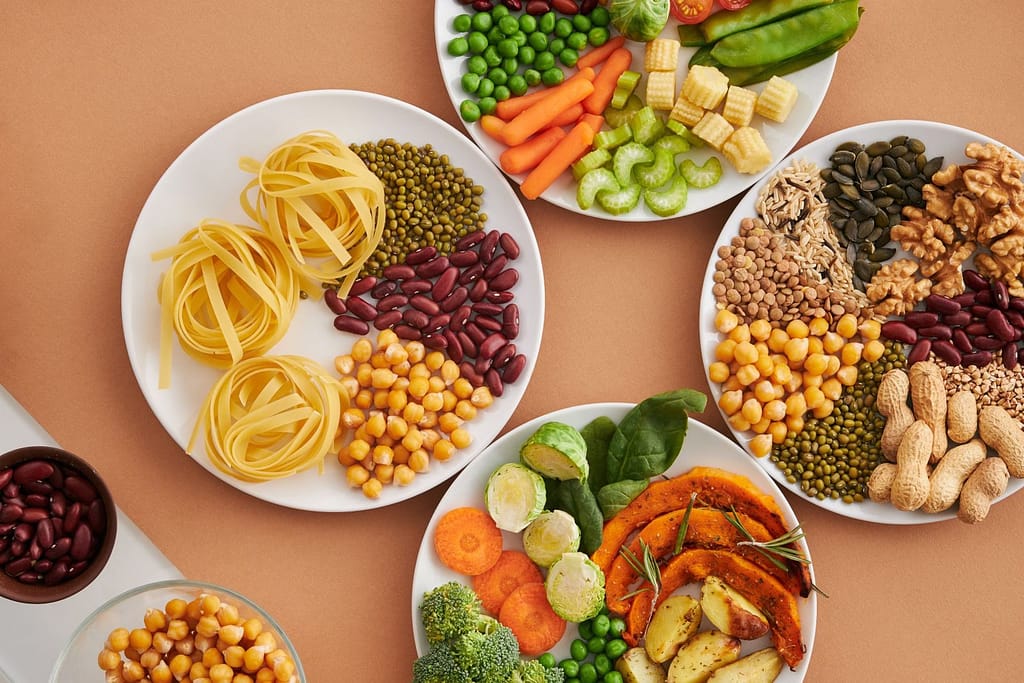
You’ll find soluble fiber in oats, barley, beans, lentils, apples, citrus fruits, and psyllium husk.
Insoluble Fiber and Its Role in Digestive Regularity

First of all, insoluble fiber doesn’t dissolve in water. Instead, it adds bulk to stool and speeds up transit through your digestive tract. Consequently, it’s the type most associated with relieving constipation and supporting regular bowel movements.
Good sources include whole wheat, wheat bran, nuts, cauliflower, green beans, and the skins of many vegetables.
Resistant Starch: The Lesser-Known Third Category
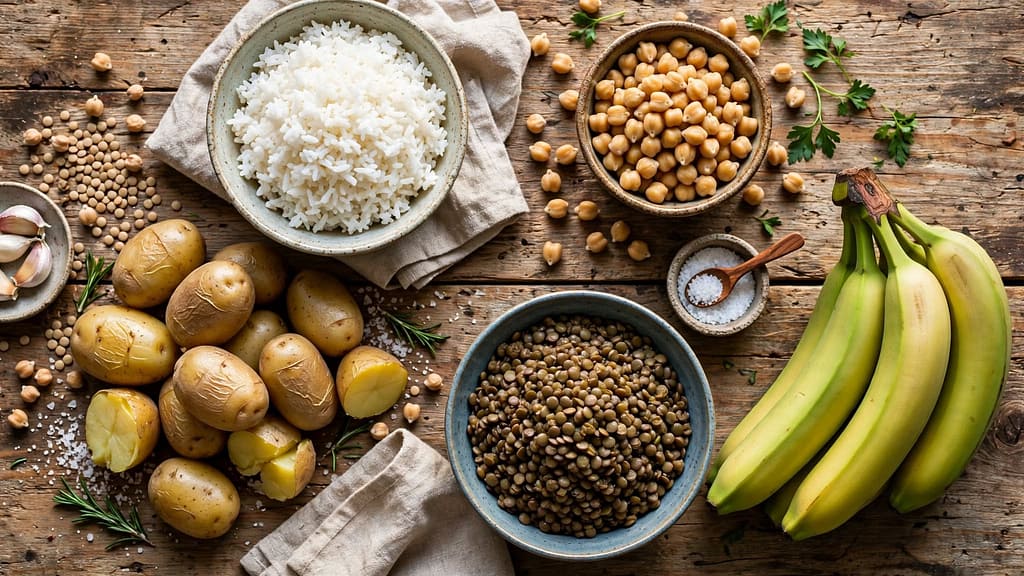
Beyond soluble and insoluble fiber, there’s a third player worth knowing: resistant starch. It resists digestion in the small intestine, then ferments in the colon, producing short-chain fatty acids like butyrate. This compound plays a key role in maintaining a healthy gut lining (Bindels et al., 2015). Cooked-and-cooled potatoes or rice, green bananas, and legumes are all solid sources.
Which Type of Fiber Is Best? It Depends on Your Goal
This is the question most people want a single answer to, yet the honest answer is: it depends. Rather than searching for one “best” fiber, match the type to what you’re trying to achieve.
A Quick Reference Guide by Health Goal
- Gut health → soluble, fermentable fibers like inulin and oat beta-glucan
- Regularity → insoluble fiber from whole grains and vegetable skins
- Cholesterol management → soluble fiber, particularly psyllium and oat beta-glucan
- Blood sugar control → soluble fiber eaten alongside carbohydrate-heavy meals
Ultimately, most whole foods contain a mix of both soluble and insoluble fiber. Therefore, rather than obsessing over categories, focus on eating a variety of whole plant foods. This approach naturally covers your bases.
How Fiber Supports Different Organs and Body Systems
Fiber’s influence extends well beyond digestion. In fact, it touches nearly every major system in the body.
Gut and Immune Health About Fiber, The Most Important Nutrient
Fiber feeds beneficial gut bacteria, which then produce short-chain fatty acids that reduce inflammation throughout the body. Since roughly 70 percent of immune tissue resides in the gut, a well-fed microbiome has downstream benefits for immune function as well (Wu et al., 2021).
Heart Health and Cholesterol
As mentioned earlier, soluble fiber binds bile acids, prompting the liver to draw more cholesterol from the blood. Over time, this mechanism helps lower LDL cholesterol and, by extension, cardiovascular risk (Reynolds et al., 2019).
Blood Sugar and Pancreatic Function
By slowing carbohydrate absorption, fiber reduces the size and speed of blood sugar spikes after meals. This, in turn, means the pancreas doesn’t need to release as much insulin at once, which may help protect against insulin resistance over time (Reynolds et al., 2020).
Brain Health and the Gut-Brain Connection Of Fiber That No One Talks About
This area is still emerging, but it’s worth mentioning. Some gut bacteria fed by fiber produce metabolites that may influence mood and cognitive function through what researchers call the gut-brain axis (Dalile et al., 2019). Although the research isn’t fully settled, it’s an active and promising area of study.
Where to Get Fiber: The Most Important Nutrient Nobody’s Talking About
Whole foods should always come first, since they deliver fiber alongside vitamins, minerals, and other beneficial plant compounds that supplements can’t replicate.
Some standout sources per serving include:
- Lentils and black beans (around 12–15g per cup, cooked)
- Chia seeds (about 10g per 2 tablespoons)
- Raspberries (about 8g per cup)
- Avocado (about 6–7g per half)
- Pears, with the skin left on
- Oats and barley
- Artichokes and Brussels sprouts
Fiber supplements, such as psyllium husk, can help close a gap. However, they shouldn’t replace whole foods as your primary strategy, since whole foods offer a broader nutritional package.
Take the First Step Toward Better Fiber Intake
First, you don’t need a complete diet overhaul to make progress. Instead, start small. Next, add one high-fiber food to one meal today — a handful of berries on your oatmeal, or a scoop of lentils in your soup. Then, build from there gradually, increasing your intake by a few grams per week while drinking plenty of water. This slow, steady approach helps your digestive system adjust comfortably.
Conclusion: Fiber, An Underrated Nutrient Worth Prioritizing
Fiber may not be technically “essential,” but the evidence suggests it deserves far more attention than it currently gets. From heart health to gut health to blood sugar regulation, this humble nutrient influences far more of your body than most people realize. So, the next time you’re planning a meal, consider giving fiber the spotlight it has earned.
References
- Reynolds, A., Mann, J., Cummings, J., Winter, N., Mete, E., & Te Morenga, L. (2019). Carbohydrate quality and human health: a series of systematic reviews and meta-analyses. The Lancet, 393(10170), 434–445.
- Reynolds, A. N., Akerman, A. P., & Mann, J. (2020). Dietary fibre and whole grains in diabetes management: systematic review and meta-analyses. PLoS Medicine, 17(3), e1003053.
- Bindels, L. B., Delzenne, N. M., Cani, P. D., & Walter, J. (2015). Towards a more comprehensive concept for prebiotics. Nature Reviews Gastroenterology & Hepatology, 12(5), 303–310.
- Dalile, B., Van Oudenhove, L., Vervliet, B., & Verbeke, K. (2019). The role of short-chain fatty acids in microbiota–gut–brain communication. Nature Reviews Gastroenterology & Hepatology, 16(8), 461–478.
- Wu, H. J., & Wu, E. (2021). The role of gut microbiota in immune homeostasis and autoimmunity. Gut Microbes, 3(1), 4–14.
- Lyon, P., Strippoli, V., Fang, B., & Cimmino, L. (2018). B vitamins and one-carbon metabolism: implications in human health and disease. Nutrients, 12(9), 2867. (context on public awareness gaps regarding micronutrient education)
- U.S. Department of Agriculture. (2015). Online Nutrition Resources at Your Fingertips.
- National Health and Nutrition Examination Survey (NHANES), 2009–2010 dietary intake data, as reported by the Food Surveys Research Group.

Post navigation
Previous Post
 The Strange Way Winners Are Made
